
 中文版
中文版 English
 Русский
 عربي
عربيChoosing the Best Stainless Steel Flange Bolts for Industrial Applications
When it comes to securing components in industrial equipment, choosing the best stainless steel flange bolts is crucial. These fasteners are designed to provide a strong and reliable connection, ensuring the integrity of your assemblies. Understanding the properties and applications of stainless steel flange bolts can help you make informed decisions that enhance the performance and longevity of y
Feb 28,2026
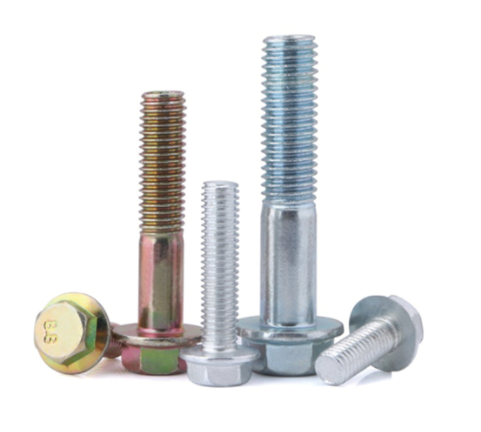
When it comes to securing components in industrial equipment, choosing the best stainless steel flange bolts is crucial. These fasteners are designed to provide a strong and reliable connection, ensuring the integrity of your assemblies. Understanding the properties and applications of stainless steel flange bolts can help you make informed decisions that enhance the performance and longevity of your equipment.
Stainless steel is renowned for its corrosion resistance, making it an ideal choice for flange bolts used in challenging environments. The most common grades of stainless steel used for these bolts are A2 (304) and A4 (316). A2 stainless steel offers good corrosion resistance and is suitable for general-purpose applications, while A4 stainless steel provides superior resistance to corrosion, particularly in marine and chemical environments. Therefore, when selecting the best stainless steel flange bolts, consider the environmental conditions your application will face.
Flange bolts are specifically designed to distribute the load evenly across a wider surface area, which minimizes the risk of damage to the components being fastened. The flange acts as a built-in washer, reducing the chances of loosening due to vibrations. This feature is especially beneficial in high-stress applications, where traditional bolts may fail.
Another important aspect to consider is the bolt's size and thread type. Flange bolts come in various sizes, and selecting the right diameter and length is essential for ensuring a secure fit. Additionally, the thread type, whether coarse or fine, can impact the bolt's holding power and resistance to loosening. Be sure to consult engineering guidelines or specifications for your specific application to ensure optimal selection.
It's also vital to consider the installation process. Proper torque settings should be followed to avoid over-tightening, which can lead to bolt failure or material deformation. Utilizing a torque wrench and following the manufacturer's recommendations can significantly enhance the reliability of your flange bolts.
Finally, when sourcing the best stainless steel flange bolts, pay attention to the certification and quality standards of the products. High-quality bolts not only ensure better performance but also enhance the safety and efficiency of your industrial applications.
In summary, selecting the best stainless steel flange bolts involves understanding the material properties, environmental conditions, installation requirements, and quality standards. By carefully considering these factors, you can ensure that your industrial equipment operates reliably and effectively, ultimately contributing to the success of your projects.
Stainless steel is renowned for its corrosion resistance, making it an ideal choice for flange bolts used in challenging environments. The most common grades of stainless steel used for these bolts are A2 (304) and A4 (316). A2 stainless steel offers good corrosion resistance and is suitable for general-purpose applications, while A4 stainless steel provides superior resistance to corrosion, particularly in marine and chemical environments. Therefore, when selecting the best stainless steel flange bolts, consider the environmental conditions your application will face.
Flange bolts are specifically designed to distribute the load evenly across a wider surface area, which minimizes the risk of damage to the components being fastened. The flange acts as a built-in washer, reducing the chances of loosening due to vibrations. This feature is especially beneficial in high-stress applications, where traditional bolts may fail.
Another important aspect to consider is the bolt's size and thread type. Flange bolts come in various sizes, and selecting the right diameter and length is essential for ensuring a secure fit. Additionally, the thread type, whether coarse or fine, can impact the bolt's holding power and resistance to loosening. Be sure to consult engineering guidelines or specifications for your specific application to ensure optimal selection.
It's also vital to consider the installation process. Proper torque settings should be followed to avoid over-tightening, which can lead to bolt failure or material deformation. Utilizing a torque wrench and following the manufacturer's recommendations can significantly enhance the reliability of your flange bolts.
Finally, when sourcing the best stainless steel flange bolts, pay attention to the certification and quality standards of the products. High-quality bolts not only ensure better performance but also enhance the safety and efficiency of your industrial applications.
In summary, selecting the best stainless steel flange bolts involves understanding the material properties, environmental conditions, installation requirements, and quality standards. By carefully considering these factors, you can ensure that your industrial equipment operates reliably and effectively, ultimately contributing to the success of your projects.
ANTERIOR:


ADD: Hebei Province Handan City Yongnian District Linmingguan Town Hebei Pu Feiyu Screw World 40 rows A5


online message
If you have any questions about our products and services, please contact us.
Business License
Power by 300.cn | TAG | City List | Privacy