
 中文版
中文版 English
 Русский
 عربي
عربيMaximize Strength with Discount Stainless Steel Chemical Anchors: The Ultimate Solution for Your Industrial Needs
Maximize Strength with Discount Stainless Steel Chemical Anchors
Table of Contents
Introduction to Stainless Steel Chemical Anchors
What Are Chemical Anchors?
Benefits of Using Stainless Steel Chemical Anchors
Applications of Stainless Steel Chemical Anchors
Where to Find Discount Stainless Steel Chemical Anchors
Installation Guide for Chemical Anchors
Maintenance and
Feb 23,2026
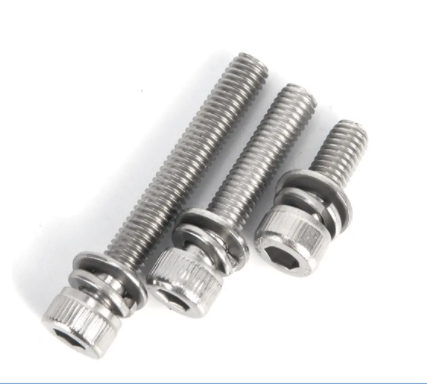
Maximize Strength with Discount Stainless Steel Chemical Anchors
Table of Contents
- Introduction to Stainless Steel Chemical Anchors
- What Are Chemical Anchors?
- Benefits of Using Stainless Steel Chemical Anchors
- Applications of Stainless Steel Chemical Anchors
- Where to Find Discount Stainless Steel Chemical Anchors
- Installation Guide for Chemical Anchors
- Maintenance and Care of Chemical Anchors
- Common Questions About Chemical Anchors
- Conclusion
Introduction to Stainless Steel Chemical Anchors
In the realm of industrial equipment and components, choosing the right fastening solutions is crucial for ensuring structural integrity and durability. Among the myriad options available, **stainless steel chemical anchors** stand out for their exceptional strength and versatility. This article provides an in-depth look at how these anchors can **maximize strength** while also being cost-effective, particularly when sourced at a discount.
What Are Chemical Anchors?
Chemical anchors are a type of fastening system that utilizes a chemical bonding agent to secure objects to concrete or masonry. These anchors typically consist of a **stainless steel rod or bolt** combined with a **resin or adhesive compound** that forms a strong bond upon curing. This innovative approach allows for superior load capacities and is ideal for applications where traditional mechanical anchors may fail.
Types of Chemical Anchors
Chemical anchors can be classified into several categories based on their composition and application. The most common types include:
1. **Epoxy Anchors**: These anchors use an epoxy resin that cures to create a strong bond. They are ideal for heavy loads and harsh environments.
2. **Polyester Anchors**: A more cost-effective option, polyester chemical anchors are suitable for moderate loads and less demanding conditions.
3. **Vinyl Ester Anchors**: Offering excellent chemical resistance, vinyl ester anchors are perfect for applications exposed to corrosive environments.
Benefits of Using Stainless Steel Chemical Anchors
When it comes to choosing chemical anchors, stainless steel versions offer numerous advantages:
1. Superior Strength and Durability
Stainless steel chemical anchors are known for their remarkable tensile strength and resistance to corrosion. This makes them ideal for applications in environments that may expose them to moisture or chemicals.
2. Versatility in Applications
These anchors can be used in various materials, including concrete, brick, and masonry, making them suitable for a wide range of projects, from construction to industrial applications.
3. Cost-Effectiveness
Finding **discount stainless steel chemical anchors** allows you to harness the benefits of high-quality materials without straining your budget. Buying in bulk or sourcing from reliable suppliers can lead to significant savings.
4. Easy Installation
Chemical anchors are user-friendly and can be easily installed using standard tools. The curing process allows for instant adhesion, reducing downtime in projects.
Applications of Stainless Steel Chemical Anchors
Stainless steel chemical anchors have a broad range of applications across various industries. Understanding these applications can help you select the right anchor for your needs.
1. Construction
Chemical anchors are extensively used in construction for securing structural elements, such as beams and columns, to concrete foundations.
2. Electrical Installations
In electrical applications, these anchors provide secure mounting for conduit and other electrical components, ensuring safety and reliability.
3. Railings and Fencing
For outdoor projects, stainless steel chemical anchors secure railings and fencing, providing stability and strength against environmental factors.
4. Heavy Machinery
Industrial equipment often requires robust fastening solutions. Chemical anchors can support heavy machinery and equipment, ensuring operational efficiency.
Where to Find Discount Stainless Steel Chemical Anchors
Finding high-quality stainless steel chemical anchors at a discount is achievable if you know where to look. Here are some tips:
1. Online Retailers
E-commerce platforms often offer a wide range of chemical anchors, frequently featuring sales and discounts. Websites dedicated to industrial supplies can provide competitive prices.
2. Local Suppliers
Building relationships with local suppliers can lead to bulk purchasing options or discounts for repeat customers.
3. Trade Shows and Expos
Attending industry trade shows can connect you with manufacturers and suppliers who offer discounts on bulk orders.
Installation Guide for Chemical Anchors
Proper installation of stainless steel chemical anchors is critical to achieving the desired strength and performance. Here’s a step-by-step guide to ensure a successful installation:
Step 1: Select the Right Anchor
Choose an anchor that meets the load requirements and environmental conditions of your project.
Step 2: Prepare the Hole
Drill a hole of the appropriate diameter and depth into the base material using a hammer drill.
Step 3: Clean the Hole
Remove any debris or dust from the hole using compressed air or a brush. Clean surfaces ensure optimal adhesion.
Step 4: Inject the Adhesive
Follow the manufacturer’s instructions for mixing and injecting the adhesive resin into the hole.
Step 5: Insert the Anchor
Quickly insert the stainless steel anchor into the hole before the adhesive begins to set.
Step 6: Allow to Cure
Let the adhesive cure for the recommended time before applying any loads to the anchor.
Maintenance and Care of Chemical Anchors
To ensure the longevity and effectiveness of your stainless steel chemical anchors, regular maintenance is paramount.
1. Inspect Regularly
Conduct periodic inspections to check for any signs of corrosion or failure. Immediate attention can prevent larger issues.
2. Clean Surfaces
In environments with exposure to chemicals or moisture, cleaning the anchors can prevent degradation and maintain performance.
3. Replace When Necessary
If any anchor exhibits signs of wear or damage, it is crucial to replace it promptly to maintain structural integrity.
Common Questions About Chemical Anchors
1. What is the load capacity of stainless steel chemical anchors?
The load capacity will vary based on the anchor type, size, and installation method. Always refer to manufacturer specifications for exact figures.
2. Can chemical anchors be used in wet conditions?
Yes, stainless steel chemical anchors are particularly suited for wet environments due to their corrosion resistance.
3. How long does the adhesive take to cure?
Cure times can vary by product, but most adhesives reach full strength within 24 hours.
4. Are chemical anchors reusable?
Generally, chemical anchors are not designed for reuse. Once installed, they should be replaced rather than removed.
5. How do I choose the right chemical anchor for my project?
Consider factors such as load requirements, environmental conditions, and material compatibility when selecting a chemical anchor.
Conclusion
In conclusion, discount stainless steel chemical anchors present an excellent opportunity to maximize strength and reliability in various applications. By understanding their benefits, installation methods, and maintenance requirements, you can ensure that your projects are secure and long-lasting. Taking advantage of discounts can provide the added benefit of cost savings without compromising on quality. Choose wisely, and your investment in stainless steel chemical anchors will pay off in enhanced structural integrity and durability for years to come.
ANTERIOR:


ADD: Hebei Province Handan City Yongnian District Linmingguan Town Hebei Pu Feiyu Screw World 40 rows A5


online message
If you have any questions about our products and services, please contact us.
Business License
Power by 300.cn | TAG | City List | Privacy