
 中文版
中文版 English
 Русский
 عربي
عربيWhy You Need the Newest Stainless Steel Flange Nut for Reliable Connections
Apr 18,2025
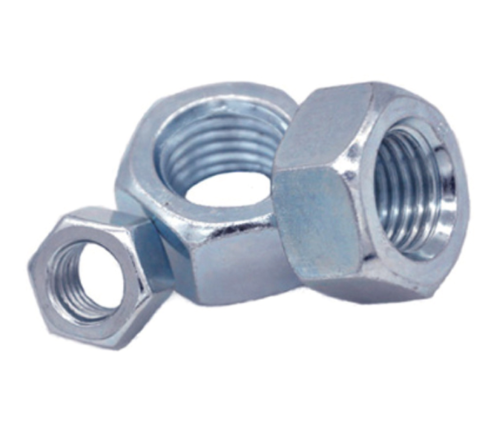
Stainless steel flange nuts are specialized fasteners featuring a wide flange at the base, which acts as an integrated washer. This design distributes the load over a larger area, reducing the risk of damage to the connected materials. Typically made from high-strength materials, flange nuts offer excellent resistance to loosening due to vibrations and dynamic loads.
The Role of Stainless Steel in Flange Nuts
The use of **stainless steel** in flange nuts is a game-changer. With its excellent corrosion resistance, stainless steel ensures longevity even in harsh environments. This attribute is particularly beneficial for applications exposed to moisture, chemicals, and extreme temperatures. Newer stainless steel formulations enhance these properties, making the latest flange nuts more robust than their predecessors.
The Advantages of the Newest Stainless Steel Flange Nuts
Enhanced Load Distribution
The wide flange design of the latest stainless steel flange nuts allows for superior load distribution. This feature minimizes stress concentrations, which can lead to material fatigue and failure over time. By upgrading to the newest flange nuts, you can significantly reduce the risk of connection failures in your assemblies.
Improved Corrosion Resistance
Modern stainless steel flange nuts are often treated with advanced coatings or are crafted from higher-grade materials that improve their resistance to corrosion. This makes them ideal for outdoor applications or industrial environments where exposure to corrosive elements is a concern. The longevity of these fasteners translates into lower maintenance costs and fewer replacements.
Increased Resistance to Vibration and Shock
One of the most significant advancements in the design of stainless steel flange nuts is their ability to withstand vibrations and shocks. Many industries, including automotive and aerospace, face challenges related to loosening connections due to vibrations. The newest flange nuts incorporate features such as nylon inserts or serrated edges that enhance their grip, ensuring a secure fit under dynamic conditions.
Versatility Across Industries
The applications for stainless steel flange nuts are vast. From construction and automotive to marine and aerospace industries, these nuts provide reliable connections in a wide range of applications. Their versatility is one of the key factors driving the demand for the newest models.
Key Features to Look for in the Newest Stainless Steel Flange Nuts
Material Specifications
When selecting stainless steel flange nuts, it’s vital to consider the material grade. Look for nuts made from **A2 (304)** or **A4 (316)** stainless steel, as these grades offer the best balance of corrosion resistance and strength. Higher-grade stainless steels are especially important for applications exposed to saline environments or where hygiene is critical, such as food processing.
Thread Standards and Compatibility
To ensure proper fit and function, verify that the thread standards of the new flange nuts match those of your existing components. This compatibility is crucial for maintaining the performance of your assemblies.
Certification and Standards Compliance
Choose flange nuts that comply with international standards, such as ISO or ASTM, to guarantee quality and performance. Certifications indicate that the products have undergone rigorous testing and meet industry specifications.
Applications of Stainless Steel Flange Nuts
Construction and Infrastructure
In the construction industry, stainless steel flange nuts are essential for securing various components, from steel beams to precast concrete panels. Their durability and resistance to environmental factors make them a preferred choice for structural applications.
Aerospace and Automotive Industries
Both aerospace and automotive sectors demand high-performance fasteners that can withstand extreme conditions. The latest stainless steel flange nuts deliver the necessary strength and reliability, ensuring safety and durability in critical applications.
Marine Environments
Given their corrosion resistance, stainless steel flange nuts are ideal for marine applications. They can withstand exposure to saltwater, making them essential for shipbuilding and maintenance of offshore structures.
How to Properly Install Stainless Steel Flange Nuts
Preparation for Installation
Before installation, ensure that the mating surfaces are clean and free of debris. Proper surface preparation helps achieve a secure connection.
Using the Right Tools
Utilize appropriate tools, such as torque wrenches, to apply the correct amount of pressure during installation. Over-tightening can lead to nut failure, while under-tightening can reduce the integrity of the connection.
Regular Maintenance and Inspection
Regularly inspect the installed flange nuts for signs of wear or corrosion. Maintaining a routine check helps ensure long-term reliability and performance of your connections.
Investing in the newest stainless steel flange nuts is crucial for anyone seeking reliable connections in their industrial applications. With advancements in material science and design, these fasteners offer unparalleled benefits, including enhanced load distribution, corrosion resistance, and vibration resilience. By understanding their importance and implementing the latest models, you can significantly improve the safety and durability of your assemblies. Whether you operate in construction, automotive, marine, or aerospace industries, upgrading to the latest stainless steel flange nuts is a decision that will pay off in the long run.


ADD: Hebei Province Handan City Yongnian District Linmingguan Town Hebei Pu Feiyu Screw World 40 rows A5


online message
If you have any questions about our products and services, please contact us.
Power by 300.cn | TAG | City List | Privacy