
 中文版
中文版 English
 Русский
 عربي
عربيHow Newest Stainless Steel Chemical Anchor Bolts Enhance Industrial Applications
May 19,2025
1. Introduction
Stainless steel chemical anchor bolts represent a significant advancement in fastening technology. These innovative components are engineered to meet the demanding needs of modern industrial applications. Unlike traditional mechanical anchors, chemical anchor bolts utilize a bonding agent that enhances their load-bearing capabilities, making them ideal for securing heavy machinery, structural supports, and various installations. In this article, we will delve into how these anchor bolts are revolutionizing the industry, enhancing safety, reliability, and efficiency in diverse applications.
2. Understanding Chemical Anchor Bolts
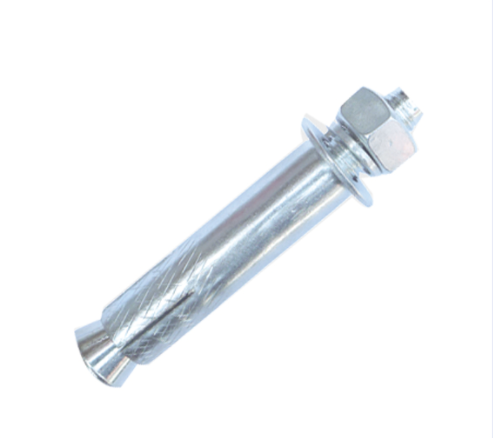
Chemical anchor bolts are designed to provide superior anchoring capabilities through the use of adhesive materials. By injecting a two-part epoxy or other bonding agent into the drilled hole, these bolts achieve a chemical reaction that effectively bonds the bolt to the surrounding substrate. This process results in exceptional strength and durability, making them suitable for various materials, including concrete, brick, and stone.
2.1 Key Components of Chemical Anchor Bolts
To understand the effectiveness of chemical anchor bolts, it’s essential to recognize their key components:
- **Anchor Bolt**: The steel element that provides the primary fastening function.
- **Adhesive**: The chemical compound that bonds the bolt to the substrate.
- **Mixer Nozzle**: A tool that ensures the proper mixing of the adhesive before application.
3. Advantages of Stainless Steel in Industrial Applications
Stainless steel offers numerous benefits that enhance the performance of chemical anchor bolts:
3.1 Corrosion Resistance
One of the standout features of stainless steel is its exceptional corrosion resistance. This property is vital in industries where exposure to moisture, chemicals, and varying temperatures is common. Corrosion can weaken fasteners, leading to catastrophic failures. Stainless steel chemical anchor bolts provide peace of mind, ensuring longevity and reliability in harsh environments.
3.2 High Strength-to-Weight Ratio
Stainless steel possesses a high strength-to-weight ratio, making it an ideal choice for applications requiring robust support without excessive weight. This characteristic is particularly beneficial in construction and manufacturing sectors, where every ounce counts.
3.3 Durability and Longevity
The durability of stainless steel chemical anchor bolts translates to reduced maintenance and replacement costs over time. Industries benefit from lower operational costs when employing such long-lasting fasteners.
3.4 Aesthetic Appeal
The sleek, metallic finish of stainless steel not only serves practical purposes but also adds aesthetic value. This is crucial in applications where visual appeal is essential, such as in architectural projects and visible structural components.
4. Key Industrial Applications of Stainless Steel Chemical Anchor Bolts
The versatility of stainless steel chemical anchor bolts allows their use across various industries. Here are some of the key applications:
4.1 Construction Industry
In construction, chemical anchor bolts are invaluable for securing structural elements, including beams, columns, and frames. Their ability to withstand significant loads makes them ideal for high-rise buildings and heavy constructions.
4.2 Manufacturing and Assembly
Manufacturers utilize chemical anchor bolts to secure machinery and equipment. Their high tensile strength ensures that heavy machinery remains stable, contributing to operational efficiency and safety.
4.4 Infrastructure Projects
Infrastructure projects, such as bridges and highways, rely on the strength and durability of stainless steel chemical anchor bolts. They provide secure anchoring for components exposed to dynamic loads, ensuring structural integrity over time.
4.5 Marine Applications
Given their corrosion resistance, stainless steel chemical anchor bolts are widely used in marine environments. They secure dock fittings, boat components, and offshore structures, enduring harsh saltwater conditions.
5. Installation and Maintenance of Chemical Anchor Bolts
Proper installation of stainless steel chemical anchor bolts is crucial for maximizing their benefits. Here are key steps to ensure successful installation:
5.1 Preparation
Begin by selecting the right bolt size and adhesive type based on the application and substrate material. Ensure the installation area is clean and free of dust or debris.
5.2 Drilling the Hole
Using the appropriate drill bit, create a hole in the substrate to accommodate the anchor bolt. The depth and diameter should align with the specifications of the bolt.
5.3 Injecting the Adhesive
With the mixer nozzle attached, inject the adhesive into the hole, filling it adequately. Take care to follow the manufacturer’s instructions regarding the mixing ratio and application method.
5.4 Inserting the Anchor Bolt
Immediately after injecting the adhesive, insert the stainless steel chemical anchor bolt into the hole. Ensure proper alignment and allow the adhesive to cure as per the specified time frame.
5.5 Periodic Inspection
Regular inspections of installed chemical anchor bolts are essential to identify signs of wear or failure. Maintaining a schedule for inspections can prevent potential issues before they escalate.
6. Comparative Analysis with Other Fasteners
Understanding the advantages of stainless steel chemical anchor bolts requires comparing them with alternative fastening solutions:
6.1 Mechanical Anchors
Mechanical anchors rely on friction between the anchor and the substrate. While effective in some situations, they do not offer the same load-bearing capacity as chemical anchors, especially in cracked concrete or softer materials.
6.2 Traditional Expansion Bolts
Expansion bolts expand against the sides of the drilled hole to create a secure fit. However, their performance can diminish over time due to environmental factors, making chemical anchors a more reliable choice.
6.3 Adhesive Anchors
While adhesive anchors might seem similar, stainless steel chemical anchor bolts benefit from additional structural support due to their design. The combination of mechanical strength and adhesive bonding provides unmatched performance.
7. Sustainability and Recycling of Stainless Steel
As industries increasingly focus on sustainable practices, stainless steel stands out as an environmentally friendly choice. The material is fully recyclable, reducing waste and promoting a circular economy. Using stainless steel chemical anchor bolts contributes to sustainable construction and manufacturing, aligning with global initiatives to reduce environmental impact.
8. Future Trends in Chemical Anchor Bolts
The landscape of chemical anchor bolts is continually evolving. Here are some future trends to watch:
8.1 Advancements in Adhesive Technology
Research and development in adhesive technologies are expected to yield stronger, faster-curing, and more versatile bonding agents, enhancing the performance of chemical anchor bolts.
8.2 Smart Fastening Solutions
Integration of technology into fasteners, such as sensors that monitor load and health, could revolutionize the industry, allowing for real-time data collection and analysis.
8.3 Increased Automation in Manufacturing
The trend towards automation in manufacturing may lead to more efficient production processes for chemical anchor bolts, improving quality and reducing costs.
9. Conclusion
The newest stainless steel chemical anchor bolts represent a revolutionary step forward in industrial fastening solutions. Their unique combination of strength, durability, and corrosion resistance makes them indispensable in various applications, from construction to manufacturing. As industries continue to prioritize safety and efficiency, the importance of these advanced fastening solutions will only grow. By choosing stainless steel chemical anchor bolts, companies can ensure their operations remain secure, sustainable, and capable of meeting the demands of the future.
ANTERIOR:


ADD: Hebei Province Handan City Yongnian District Linmingguan Town Hebei Pu Feiyu Screw World 40 rows A5


online message
If you have any questions about our products and services, please contact us.
Power by 300.cn | TAG | City List | Privacy