
 中文版
中文版 English
 Русский
 عربي
عربيUnderstanding the Different Grades of New Stainless Steel Inner Hexagon Bolts: A Comprehensive Guide
Understanding the Different Grades of New Stainless Steel Inner Hexagon Bolts
Stainless steel inner hexagon bolts are essential components in various industrial applications, renowned for their durability, corrosion resistance, and strength. They are particularly useful in environments that require robust fastening solutions. In this article, we will explore the different grades of stainless steel
Apr 09,2025
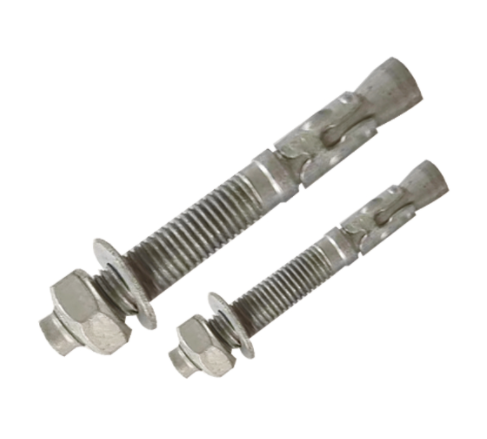
Understanding the Different Grades of New Stainless Steel Inner Hexagon Bolts
Stainless steel inner hexagon bolts are essential components in various industrial applications, renowned for their durability, corrosion resistance, and strength. They are particularly useful in environments that require robust fastening solutions. In this article, we will explore the different grades of stainless steel inner hexagon bolts, detailing their characteristics, applications, and the factors to consider when selecting the right bolts for your needs.
Table of Contents
- 1. Introduction to Stainless Steel Inner Hexagon Bolts
- 2. Understanding the Grades of Stainless Steel
- 2.1 Grade 304: The Most Common Stainless Steel
- 2.2 Grade 316: Enhanced Corrosion Resistance
- 2.3 Grade 410: Martensitic Stainless Steel
- 2.4 Other Notable Grades
- 3. Applications of Stainless Steel Inner Hexagon Bolts
- 4. How to Choose the Right Grade of Stainless Steel Bolts
- 5. Maintenance and Care for Stainless Steel Bolts
- 6. Frequently Asked Questions
- 7. Conclusion
1. Introduction to Stainless Steel Inner Hexagon Bolts
Stainless steel inner hexagon bolts are fasteners characterized by a hexagonal socket in their head, allowing for easy installation and removal with an Allen wrench. These bolts are designed to provide high tensile strength and excellent resilience against environmental factors, making them ideal for a variety of applications in construction, automotive, and machinery.
The specific grade of stainless steel used in the bolts significantly influences their performance, corrosion resistance, and overall mechanical properties. Understanding the different grades will enable users to make informed decisions based on their unique requirements.
2. Understanding the Grades of Stainless Steel
Stainless steel is categorized into several grades based on the composition and properties of the material. Each grade has its own strengths and weaknesses, which determine its suitability for specific applications. Below, we will delve into the most common grades used for stainless steel inner hexagon bolts.
2.1 Grade 304: The Most Common Stainless Steel
Grade 304 stainless steel is the most widely used grade for various fasteners, including inner hexagon bolts. It is composed of approximately 18% chromium and 8% nickel, providing excellent corrosion resistance and good weldability. Grade 304 is particularly suitable for applications in mildly corrosive environments, such as food processing equipment and architectural features.
**Key Characteristics:**
- Excellent corrosion resistance
- Good formability and weldability
- Non-magnetic in the annealed condition
- Temperature resistance up to 870°C (1600°F)
**Applications:**
- Food and beverage industries
- Kitchen equipment
- Chemical and petrochemical processing
2.2 Grade 316: Enhanced Corrosion Resistance
Grade 316 stainless steel is similar to Grade 304 but contains an additional 2% molybdenum, which significantly enhances its resistance to corrosion, particularly in chloride environments. This makes it a preferred choice for marine applications and industries where exposure to saltwater or harsh chemicals is prevalent.
**Key Characteristics:**
- Superior corrosion resistance compared to 304
- Better high-temperature mechanical properties
- Increased resistance to pitting and crevice corrosion
**Applications:**
- Marine environments
- Pharmaceutical and biotechnology industries
- Coastal construction projects
2.3 Grade 410: Martensitic Stainless Steel
Grade 410 is a martensitic stainless steel known for its excellent hardness and moderate corrosion resistance. It contains approximately 11.5% chromium and is suitable for applications requiring high strength and wear resistance. However, it is less resistant to corrosion than the austenitic grades.
**Key Characteristics:**
- High strength and hardness
- Moderate corrosion resistance
- Can be hardened by heat treatment
**Applications:**
- Cutting tools
- Valves and pumps
- Applications where wear resistance is critical
2.4 Other Notable Grades
Apart from the commonly used grades, other notable stainless steel grades include:
- **Grade 430:** Ferritic stainless steel known for its corrosion resistance and low cost, suitable for decorative applications.
- **Grade 2205:** Duplex stainless steel combining the properties of both austenitic and ferritic grades, offering high strength and excellent corrosion resistance.
Each of these grades has unique properties that make them suitable for specific applications, and understanding these differences is crucial for selecting the right inner hexagon bolts.
3. Applications of Stainless Steel Inner Hexagon Bolts
Stainless steel inner hexagon bolts are versatile fasteners used in various industries. Their unique properties make them ideal for applications that require strength and resistance to environmental factors. Some common applications include:
- **Construction:** Used in structural components, framing, and support structures where strength and durability are essential.
- **Automotive:** Employed in vehicle assembly, particularly in parts exposed to moisture and corrosion.
- **Marine:** Ideal for boat construction and repair due to their resistance to seawater corrosion.
- **Manufacturing:** Utilized in machinery and equipment where reliability and strength are critical.
- **Electronics:** Used in electronic devices where non-magnetic properties are beneficial.
4. How to Choose the Right Grade of Stainless Steel Bolts
Selecting the appropriate grade of stainless steel inner hexagon bolts involves considering several factors. Here are some guidelines to help you make an informed decision:
- **Corrosion Resistance Requirements:** Assess the environment in which the bolts will be used. For marine or highly corrosive conditions, Grade 316 is often the best choice.
- **Mechanical Properties:** Consider the tensile strength and hardness required for your application. Higher grades may be necessary for high-stress environments.
- **Weldability:** If the bolts will be welded, choose a grade that offers good weldability, such as Grade 304.
- **Cost Considerations:** Evaluate your budget, as different grades come with varying price points. Weigh the cost against performance needs.
- **Availability:** Check the availability of the specific grades you are considering, as some might be harder to source than others.
By carefully evaluating these factors, you can select the right stainless steel inner hexagon bolts that meet your specific application needs.
5. Maintenance and Care for Stainless Steel Bolts
To ensure the longevity of stainless steel inner hexagon bolts, proper maintenance and care are essential. Here are some tips:
- **Regular Inspections:** Periodically inspect bolts for signs of corrosion or wear. This will help identify potential issues early.
- **Cleaning:** Clean bolts with warm, soapy water and a soft cloth to remove dirt and contaminants. Avoid using harsh chemicals that can damage the surface.
- **Lubrication:** Apply a suitable anti-seize lubricant to the threads to prevent galling and make future disassembly easier.
- **Environmental Controls:** If possible, minimize exposure to harsh environments. Protective coatings can enhance corrosion resistance.
- **Proper Installation:** Ensure that bolts are installed correctly with the appropriate torque settings to avoid undue stress.
Following these maintenance practices can extend the life of your stainless steel inner hexagon bolts and enhance their performance.
6. Frequently Asked Questions
What are stainless steel inner hexagon bolts?
Stainless steel inner hexagon bolts are fasteners with a hexagonal socket head designed for easy installation and removal. They are known for their strength, durability, and corrosion resistance.
What is the difference between Grade 304 and Grade 316 stainless steel bolts?
Grade 316 stainless steel bolts contain molybdenum, providing superior corrosion resistance compared to Grade 304. They are more suitable for marine environments and areas with high chloride exposure.
How do I determine the right grade for my application?
Consider factors like corrosion resistance, mechanical properties, weldability, cost, and availability when choosing the appropriate grade of stainless steel bolts for your application.
Can stainless steel bolts rust?
While stainless steel bolts are highly resistant to corrosion, they can still rust in certain conditions, particularly in marine environments or when exposed to aggressive chemicals.
What maintenance is required for stainless steel bolts?
Regular inspections, cleaning, lubrication, and protection from harsh environments can help maintain the integrity and performance of stainless steel bolts.
7. Conclusion
Understanding the different grades of new stainless steel inner hexagon bolts is crucial for anyone involved in selecting fasteners for industrial and construction applications. Each grade offers distinct advantages and is tailored for specific environments and requirements. By familiarizing yourself with the properties and applications of Grades 304, 316, and 410, among others, you can make informed decisions that enhance the performance and longevity of your projects.
In conclusion, choosing the right stainless steel inner hexagon bolts involves evaluating the specific needs of your application. With careful consideration and proper maintenance, these fasteners can provide reliable service for years to come. Always remember to consult with suppliers and experts when in doubt, as they can offer valuable insights and recommendations tailored to your particular situation.


ADD: Hebei Province Handan City Yongnian District Linmingguan Town Hebei Pu Feiyu Screw World 40 rows A5


online message
If you have any questions about our products and services, please contact us.
Business License
Power by 300.cn | TAG | City List | Privacy