
 中文版
中文版 English
 Русский
 عربي
عربيThe Essential Guide to Stainless Steel Locknuts: Benefits and Applications
Stainless steel locknuts are vital components in the fastener and connector industry, particularly when it comes to ensuring the integrity and reliability of assemblies in industrial equipment. These specialized nuts are designed to provide a secure fastening solution by preventing loosening due to vibrations or external forces. Understanding their characteristics, advantages, and applications can
Jan 31,2025
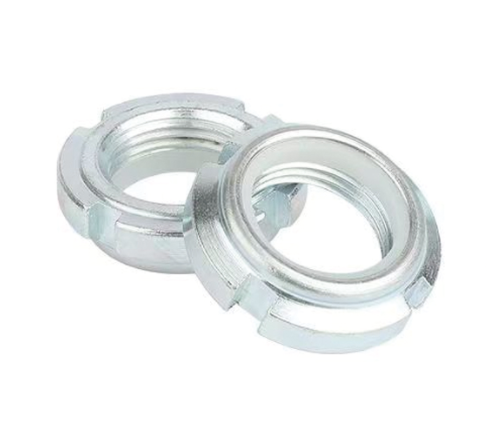
Stainless steel locknuts are vital components in the fastener and connector industry, particularly when it comes to ensuring the integrity and reliability of assemblies in industrial equipment. These specialized nuts are designed to provide a secure fastening solution by preventing loosening due to vibrations or external forces. Understanding their characteristics, advantages, and applications can greatly enhance your decision-making when selecting fasteners for your projects.
One of the primary advantages of stainless steel locknuts is their resistance to corrosion. Unlike traditional steel fasteners, which can rust and weaken over time, stainless steel offers enhanced durability and longevity. This makes them ideal for use in environments exposed to moisture, chemicals, or extreme temperatures, such as marine applications or chemical processing plants. Their ability to maintain strength and performance under adverse conditions ensures the safety and efficiency of machinery and equipment.
Another significant benefit of stainless steel locknuts is their ability to maintain a secure connection without the need for additional locking mechanisms. The unique design of these locknuts, which may include nylon inserts or serrated edges, creates friction that prevents the nut from loosening. This feature reduces maintenance costs and downtime associated with retightening or replacing loose fasteners, ultimately improving productivity in industrial settings.
When selecting stainless steel locknuts for your applications, there are several factors to consider. First, it’s essential to identify the specific grade of stainless steel required for your project. Different grades, such as 304 and 316, offer varying levels of corrosion resistance, strength, and temperature tolerance. Assessing your environmental conditions and load requirements will help you choose the appropriate grade to ensure optimal performance.
Additionally, the dimensions of the locknut, including thread size and thickness, should be compatible with the corresponding bolts or screws being used. This compatibility ensures a proper fit and maximizes the effectiveness of the locking mechanism. It’s also important to consider the installation process; some locknuts may require specific tools or techniques to achieve the best results.
In conclusion, stainless steel locknuts are an essential component in the fastener and connector industry, offering numerous advantages such as corrosion resistance, ease of use, and enhanced safety. By understanding their benefits and carefully considering your specific requirements, you can make informed decisions that contribute to the overall success of your industrial projects. Always consult with a knowledgeable supplier or engineer to ensure you select the right type and size of locknut for your needs.
One of the primary advantages of stainless steel locknuts is their resistance to corrosion. Unlike traditional steel fasteners, which can rust and weaken over time, stainless steel offers enhanced durability and longevity. This makes them ideal for use in environments exposed to moisture, chemicals, or extreme temperatures, such as marine applications or chemical processing plants. Their ability to maintain strength and performance under adverse conditions ensures the safety and efficiency of machinery and equipment.
Another significant benefit of stainless steel locknuts is their ability to maintain a secure connection without the need for additional locking mechanisms. The unique design of these locknuts, which may include nylon inserts or serrated edges, creates friction that prevents the nut from loosening. This feature reduces maintenance costs and downtime associated with retightening or replacing loose fasteners, ultimately improving productivity in industrial settings.
When selecting stainless steel locknuts for your applications, there are several factors to consider. First, it’s essential to identify the specific grade of stainless steel required for your project. Different grades, such as 304 and 316, offer varying levels of corrosion resistance, strength, and temperature tolerance. Assessing your environmental conditions and load requirements will help you choose the appropriate grade to ensure optimal performance.
Additionally, the dimensions of the locknut, including thread size and thickness, should be compatible with the corresponding bolts or screws being used. This compatibility ensures a proper fit and maximizes the effectiveness of the locking mechanism. It’s also important to consider the installation process; some locknuts may require specific tools or techniques to achieve the best results.
In conclusion, stainless steel locknuts are an essential component in the fastener and connector industry, offering numerous advantages such as corrosion resistance, ease of use, and enhanced safety. By understanding their benefits and carefully considering your specific requirements, you can make informed decisions that contribute to the overall success of your industrial projects. Always consult with a knowledgeable supplier or engineer to ensure you select the right type and size of locknut for your needs.


ADD: Hebei Province Handan City Yongnian District Linmingguan Town Hebei Pu Feiyu Screw World 40 rows A5


online message
If you have any questions about our products and services, please contact us.
Business License
Power by 300.cn | TAG | City List | Privacy