
 中文版
中文版 English
 Русский
 عربي
عربيChoosing the Right Durable Stainless Steel Drill Tail Wire for Your Needs
Sep 15,2025
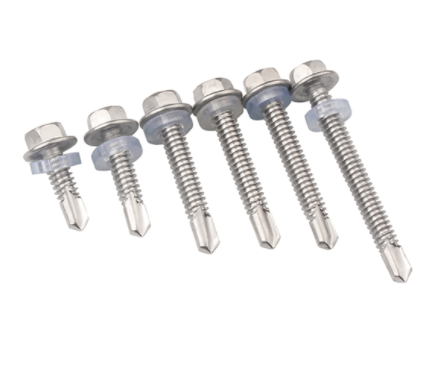
1. Understanding Stainless Steel Drill Tail Wire
Stainless steel drill tail wire is designed for a range of uses in industrial settings, particularly where strength and resistance to corrosion are essential. This type of wire is primarily used in applications that require robust connections, such as in construction, automotive, and manufacturing industries. The unique properties of stainless steel make it an ideal choice for environments that may otherwise deteriorate weaker materials.
2. Key Properties of Stainless Steel
**Stainless steel** is renowned for its incredible resistance to rust and corrosion, making it a preferred choice in various industries. Key properties include:
- **Corrosion Resistance**: Stainless steel contains a minimum of 10.5% chromium, which forms a protective oxide layer to shield against corrosion.
- **Strength and Durability**: Stainless steel offers high tensile strength, ensuring longevity and reliability even under demanding conditions.
- **Versatility**: Available in different grades and compositions, stainless steel can be tailored to meet specific requirements.
- **Aesthetic Appeal**: With its shiny finish, stainless steel is often chosen for its visual appeal as well as its functional features.
3. Importance of Durability in Drill Tail Wire
Choosing a durable drill tail wire is critical for several reasons. Durable wires enhance the overall performance of equipment and reduce the need for frequent replacements, ultimately saving costs. In applications where wires bear heavy loads or endure harsh environmental conditions, durability ensures safety and effectiveness.
Moreover, a durable stainless steel drill tail wire enhances operational efficiency. Minimizing the risk of failure or malfunction can lead to smoother processes, higher productivity, and reduced downtime, which is crucial in fast-paced industrial environments.
4. Factors to Consider When Choosing Drill Tail Wire
Making an informed choice about stainless steel drill tail wire involves considering several crucial factors. Below, we explore these factors in detail.
4.1 Material Grades and Composition
Different grades of stainless steel, such as **304**, **316**, and **410**, possess unique characteristics.
- **Grade 304** is known for excellent corrosion resistance and is commonly used in various applications.
- **Grade 316** offers higher resistance to chlorides and is often used in marine environments.
- **Grade 410** is a martensitic stainless steel that provides good wear resistance but may not be as corrosion-resistant as austenitic grades.
Understanding the specific needs of your application will guide you in selecting the most suitable grade.
4.2 Wire Diameter
The diameter of the drill tail wire is directly related to its strength and application. Thicker wires can handle higher loads but may not fit in tight spaces. Conversely, thinner wires are more flexible and may be better suited for less demanding tasks. Always assess the required strength and flexibility for your specific application.
4.3 Corrosion Resistance
Selecting a wire with high corrosion resistance is essential, especially in environments exposed to moisture, chemicals, or extreme temperatures. Ensure that the stainless steel grade chosen is appropriate for the specific environmental challenges it will face.
4.4 Temperature Resistance
Consider the temperature range in which the drill tail wire will operate. While stainless steel generally withstands high temperatures, some grades perform better than others. For example, grade 310 is suitable for high-temperature applications, whereas grades like 304 and 316 suit moderate temperatures.
4.5 Electrical Conductivity
If the drill tail wire will be used in electrical applications, consider the electrical conductivity of different stainless steel grades. Generally, a wire with lower resistivity offers better conductivity, which is important for tasks involving electrical connections.
5. Applications of Stainless Steel Drill Tail Wire
Stainless steel drill tail wire finds applications across various sectors.
- **Construction**: Used for reinforcing structures and securing components together.
- **Automotive**: Essential in the manufacturing of vehicles, ensuring durable connections between parts.
- **Marine**: Provides resistance to corrosion in harsh marine environments, making it ideal for boats and ships.
- **Manufacturing**: Facilitates assembling machinery and equipment with a reliable fastening mechanism.
Understanding the specific application will help determine the suitable stainless steel drill tail wire for your needs.
6. Comparing Stainless Steel with Other Materials
When it comes to choosing materials for drill tail wire, stainless steel often outperforms alternatives like mild steel or plastic.
- **Mild Steel**: While cheaper, it lacks the corrosion resistance of stainless steel and may require frequent replacement.
- **Plastic**: Though lightweight and resistant to corrosion, plastic lacks strength, making it unsuitable for heavy-duty applications.
Ultimately, the choice between materials should align with your specific requirements, balancing cost, durability, and application needs.
7. Maintenance Tips for Stainless Steel Drill Tail Wire
To maximize the lifespan of stainless steel drill tail wire, proper maintenance is essential. Here are some tips:
- **Regular Cleaning**: Clean the wires regularly to prevent the buildup of dirt and contaminants that can lead to corrosion or degradation.
- **Inspect for Damage**: Routinely inspect wires for signs of wear, corrosion, or damage that could compromise integrity.
- **Store Properly**: Ensure wires are stored in a dry environment to minimize exposure to moisture.
These practices will help ensure that your stainless steel drill tail wire remains in top condition for its intended use.
Selecting the right durable stainless steel drill tail wire is essential for ensuring optimal performance and longevity in your applications. By considering key factors such as material grading, wire diameter, corrosion resistance, and temperature handling, you can make an informed decision that supports your needs. Whether in construction, automotive, or marine applications, the right drill tail wire will enhance your project's reliability and efficiency. Prioritize quality and suitability to ensure you achieve the best results in your industrial endeavors.
ANTERIOR:


ADD: Hebei Province Handan City Yongnian District Linmingguan Town Hebei Pu Feiyu Screw World 40 rows A5


online message
If you have any questions about our products and services, please contact us.
Power by 300.cn | TAG | City List | Privacy