
 中文版
中文版 English
 Русский
 عربي
عربيUnderstanding the Benefits of Three Stage Water Stopping Screws in Industrial Applications
Understanding the Benefits of Three Stage Water Stopping Screws in Industrial Applications
Introduction to Three Stage Water Stopping Screws
Three-stage water stopping screws are engineered to provide exceptional sealing in industrial applications. These specialized screws play a pivotal role in preventing water ingress in structures, machinery, and equipment, significantly reducing maintenance co
Nov 25,2025
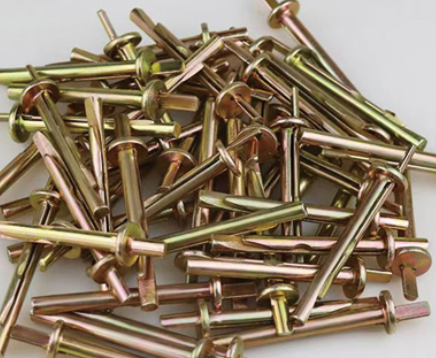
Understanding the Benefits of Three Stage Water Stopping Screws in Industrial Applications
Introduction to Three Stage Water Stopping Screws
Three-stage water stopping screws are engineered to provide exceptional sealing in industrial applications. These specialized screws play a pivotal role in preventing water ingress in structures, machinery, and equipment, significantly reducing maintenance costs and enhancing operational efficiency. By employing a unique three-stage sealing mechanism, these screws ensure a secure and reliable connection, vital for various industries such as construction, manufacturing, and water management.
What Are Three Stage Water Stopping Screws?
Three-stage water stopping screws are advanced fastening devices designed to create a robust barrier against water infiltration. Unlike traditional screws, these devices incorporate a multi-stage design, featuring distinct sealing elements that work synergistically to prevent moisture penetration. This design not only enhances the screw's performance but also extends the lifespan of the components they secure.
The Mechanism of Three Stage Water Stopping Screws
The innovative mechanism of three-stage water stopping screws consists of three essential elements:
1. **Initial Seal**: The first stage creates a preliminary seal, ensuring that any immediate moisture is blocked.
2. **Secondary Seal**: The second stage reinforces the initial seal by employing additional compressive forces that adapt to changing environmental conditions.
3. **Final Seal**: The third stage provides a fail-safe barrier, offering maximum protection against water ingress, even in the most demanding conditions.
Key Benefits of Utilizing Three Stage Water Stopping Screws
Enhanced Water Resistance
One of the primary advantages of three-stage water stopping screws is their superior water resistance. The multi-seal design effectively prevents water from penetrating critical areas, thereby safeguarding machinery and industrial equipment from damage. This characteristic is especially crucial in industries where water exposure is prevalent, such as marine, construction, and waste management.
Reduced Maintenance Costs
By effectively sealing against water ingress, these screws significantly lower the likelihood of corrosion and wear in equipment. This reduction in maintenance needs translates to lower operational costs and extended equipment lifespans. Industries benefit from fewer repairs and replacements, allowing them to allocate resources more efficiently.
Improved Safety and Reliability
In industrial applications, safety is paramount. The implementation of three-stage water stopping screws enhances the overall reliability of the systems they secure. By minimizing the risk of water-related failures, these screws contribute to safer working environments, reducing the likelihood of accidents caused by equipment malfunctions.
Applications of Three Stage Water Stopping Screws
Construction Industry
In the construction sector, three-stage water stopping screws play a pivotal role in ensuring the integrity of structures. They are used in various applications, including:
- **Concrete Formwork**: Ensuring a watertight seal in concrete structures.
- **Roofing Systems**: Providing secure fastening while preventing leaks.
- **Drainage Systems**: Safeguarding against water infiltration in drainage installations.
Marine Applications
Marine environments expose equipment to harsh conditions and constant moisture. Three-stage water stopping screws are employed in:
- **Boat Assemblies**: Securing parts while preventing water ingress.
- **Offshore Platforms**: Ensuring the integrity of structures exposed to seawater.
Waste Management Facilities
In waste management, the prevention of water infiltration is crucial. These screws are used in:
- **Landfill Liners**: Preventing leaks that can lead to contamination.
- **Water Treatment Plants**: Securing components in environments where water exposure is constant.
Choosing the Right Three Stage Water Stopping Screws
Selecting the appropriate three-stage water stopping screws for your application involves considering several factors:
Material Composition
The material of the screw significantly impacts its performance. Stainless steel, for example, offers excellent corrosion resistance, making it ideal for harsh environments. Other materials may provide different properties like lightweight or additional strength.
Size and Thread Design
The size and thread design of the screw should align with the specific requirements of the application. Proper sizing ensures optimal sealing performance and structural integrity.
Environmental Considerations
Evaluate the environmental conditions where the screws will be used, including temperature fluctuations, exposure to chemicals, and moisture levels. Choosing screws designed to withstand these conditions will enhance their effectiveness and lifespan.
Installation Techniques for Three Stage Water Stopping Screws
Correct installation is essential to maximize the benefits of three-stage water stopping screws. Here are some best practices:
Surface Preparation
Ensure that the surfaces where the screws will be installed are clean and free of debris. Proper surface preparation enhances the screw's sealing capability.
Torque Specifications
Adhere to the manufacturer's torque specifications during installation. Over-tightening can damage the sealing mechanism, while under-tightening may lead to inadequate sealing.
Regular Inspections
Implement a routine inspection approach to identify any signs of wear or failure early. Regular checks can prevent potential issues and extend the lifespan of the screws.
FAQs About Three Stage Water Stopping Screws
1. What are three-stage water stopping screws made of?
Three-stage water stopping screws are typically made from materials like stainless steel, carbon steel, or specialized alloys designed for corrosion resistance and strength.
2. How do three-stage water stopping screws compare to traditional screws?
Three-stage water stopping screws provide superior sealing capabilities and enhanced durability compared to traditional screws, making them more effective for applications exposed to moisture.
3. Can three-stage water stopping screws be reused?
While some three-stage water stopping screws can be reused, it's essential to assess their condition after removal. If the sealing mechanism is intact, they may be suitable for reuse.
4. Where are three-stage water stopping screws commonly used?
These screws are commonly used in construction, marine applications, and waste management facilities, among other industries requiring effective water sealing solutions.
5. How can I ensure proper sealing with three-stage water stopping screws?
Proper installation, following torque specifications, and ensuring clean surfaces are crucial for achieving optimal sealing with three-stage water stopping screws.
Conclusion
Three-stage water stopping screws represent a significant advancement in fastening technology within industrial applications. Their enhanced water resistance, reduced maintenance costs, and improved safety make them an invaluable choice for a variety of industries. By understanding their unique mechanism, applications, and installation best practices, we can make informed decisions that enhance operational efficiency and safeguard our investments. Embracing these innovative screws will undoubtedly lead to a more reliable and robust industrial environment, ensuring long-term success in our projects.
ANTERIOR:


ADD: Hebei Province Handan City Yongnian District Linmingguan Town Hebei Pu Feiyu Screw World 40 rows A5


online message
If you have any questions about our products and services, please contact us.
Business License
Power by 300.cn | TAG | City List | Privacy